Walk aboard a dhow on the Dubai Marina and you step into a moving theater. The skyline glows, the water carries a clean salt breeze, and somewhere between the clink of cutlery and the shuffle of decks you hear the first beat of a drum. Visitors tend to remember the views. What stays with locals and repeat travelers are the performances: the whirling tanoura skirts, the sway of sea shanties reborn, the steady pulse of Arabic rhythms running under a fusion of influences. A Dubai marina cruise is dinner and sightseeing, yes, but it is also a compact, curated lesson in Gulf heritage filtered through a cosmopolitan city.
I have sat on these boats in winter’s gentler air and in peak-season bustle. I have watched performers adjust their sets to a birthday crowd full of children, then pivot to a quieter anniversary table where someone asked for a classical oud piece. The Dhow Cruise Dubai marina scene is more than a packaged show. If you understand the layers, the rest of the evening makes more sense, from the style of the boat to the timing of the dances.
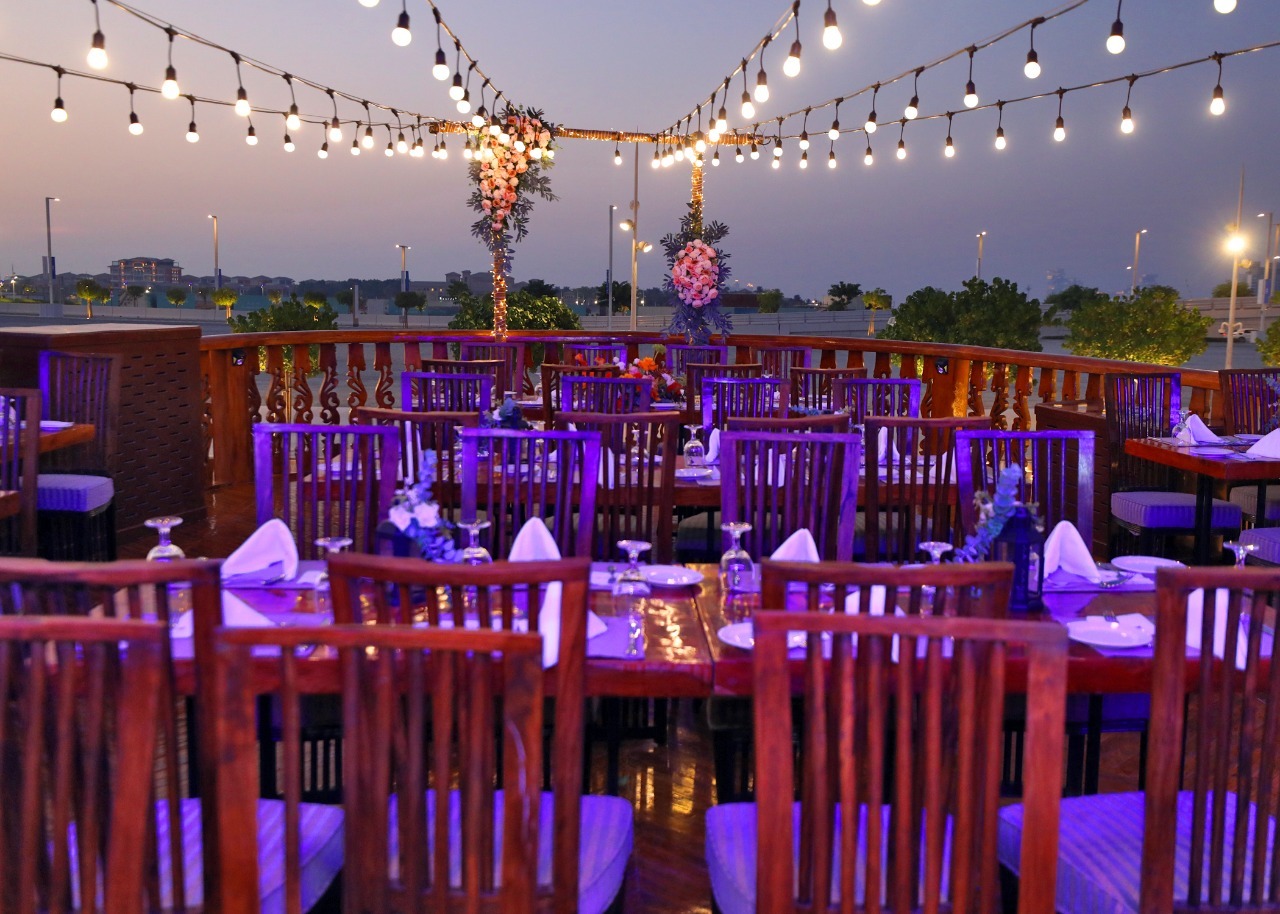
Why a dhow, and why here
The dhow matters. Before oil, these wooden vessels carried dates, spices, and pearls along the Gulf and down the Indian Ocean. The word “dhow” describes a family of traditional boats with lateen sails, once powered by wind and muscle. Today’s Dhow Cruise Dubai vessels run on engines and are wired with LED lighting, but the hull lines and deck layouts follow the old logic of workboats: open, sturdy, made for loading cargo and people quickly. That heritage is the spine of the evening. When dancers improvise to a drum break or a singer circles the audience, they use those broad decks like a village square, which is close to how ships functioned for crews that could be at sea for weeks.
Why the Marina? The Dubai Marina is planned spectacle, a canal city lined with restaurants, apartment towers, and promenades. Its tidy curves offer stable waters and dramatic, consistent views. For performances, that reliability matters. The sea in open creeks can get choppy. Here the dhow becomes a floating stage with skylines as backdrops that never fail. A Dubai marina cruise offers that theatrical frame night after night, which lets crews refine timing and sound in ways that creek cruises sometimes cannot.
The pre-show: drums, oud, and an old-new sound
Most evenings start with music as guests settle. Not everyone pays attention at first, so the musicians build slowly. You’re likely to hear the oud, the short-necked lute central to Arabic music. In good hands, the oud can shift from melancholic taqasim improvisations to brisk dance accompaniment. The scale system, the maqam, sets the mood. Maqam Rast for steadiness, Bayati for warmth, Hijaz for drama with its half-flat intervals. Even if you don’t know the terms, your ear reads the emotion.
Layered on top, a percussionist might play the darbuka or tabla, both goblet drums, or the deeper doff frame drum. The rhythms you hear most often will be simple enough to carry in a moving space. Masmoudi, saidi, malfuf, occasionally a lively fallahi for crowd energy. On the better Dubai marina cruise boats, the percussionist understands the audience’s attention curve and saves the denser syncopations until after dessert.
What about the singing? Expect a mix. Classical covers if there’s a crowd with Arab roots, evergreen pop if the room skews international, sometimes a sea song that nods to pearl diving history. I once heard a singer fold an Emirati fijiri motif into a modern ballad without breaking the melody. Fijiri evolved from the call and response of pearl divers. It has weight. Used sparingly, it anchors the night to the water rather than to the skyline.
Tanoura: color, stamina, and sacred echoes
The showpiece on many Dhow Cruise Dubai marina evenings is the tanoura dance. It comes from Egypt’s Sufi traditions where dervishes whirl to induce spiritual focus. On the Marina, the performance keeps the spin and the skirts, but the meaning shifts toward spectacle. The dancer wears layered, brightly colored skirts stitched with reflective bands. During the performance, he will spin continuously for anywhere from 8 to 15 minutes, a feat that shocks first-time viewers who try to stand up after a quick turn and feel dizzy.
Two aspects deserve attention if you want to see more than a swirl of color:
- Technique and breath control: Good dancers find a fixed visual point near the horizon to stabilize, then let peripheral vision blur. They breathe low, in the belly, to anchor balance. Watch the shoulders. If they stay level, the dancer is in control. If the shoulders start to tilt or rise sharply, he is fighting fatigue. Narrative and props: The best tanoura sets tell a compact story. The dancer may start with closed skirts to suggest humility, then open, layer by layer, turning fabric into wings. He may lift a skirt above his head to form a spinning canopy, then remove it and hand it to the audience to examine the weight. Some include LED-lit appliqués that glow when house lights dip. That’s modern showcraft grafted onto an old form, not a betrayal of tradition. It’s the Marina adapting the Sufi template for a family crowd.
The music under tanoura typically uses a driving 2 or 4 beat with a droning melodic base. Occasionally the percussionist will accelerate slightly mid-set to test the dancer’s stamina. If the spin rate doesn’t change, you’re watching a seasoned professional. If it wobbles, he may be newer or simply conserving energy for multiple shows in one night, a real constraint on busy weekends.
Khaleeji rhythms and the Gulf’s dance language
Many visitors expect belly dance as the standard Middle Eastern performance. On a Dubai marina cruise you’ll often see something closer to Khaliji, the dance and music style of the Gulf. It is subtler than Egyptian raqs sharqi. Khaliji uses shoulders, neck, and hands, with small hip accents and a buoyant step that fits the region’s drum patterns. The hair toss some performers do comes from wedding dances across the Gulf, where women celebrate with long, flowing hair and playful gestures.
The rhythm that drives Khaliji often sits in 2 or 4, but the accents aren’t the same as in Levantine or Egyptian pop. The doff carries a sandy, slightly loose tone, and the claps matter. If you want to participate respectfully, clap on the heavy beats and keep your energy contained. Over-enthusiastic off-beat clapping can throw the performers, especially on smaller decks where the audience sits close.
Outfit choices tell you about the performer’s approach. Some wear embellished thobes that echo Gulf dress, others opt for modern stage costumes that hold up in wind on the upper deck. When the Marina breeze kicks up, flowing sleeves become sails, which looks beautiful if the performer can control it. Experience shows here. The confident ones angle their bodies to use the wind, not cruisedhowdubai.com fight it.
Dabke on the water: when the line forms
Dabke, the Levantine line dance, shows up on some boats when there’s a Lebanese, Palestinian, Syrian, or Jordanian group on board. It is social first, theatrical second. The steps are stomps and kicks in unison, the leader tossing in variations to challenge the line. Doing it on a moving vessel adds humor and difficulty. I’ve seen lines zigzag around buffet stations and an amused crew member act as spotter to keep the leader from plowing into a table.
The music pulses in 6/8 or a driving 4 with off-beat accents. If a dabke breaks out on your Dhow Cruise Dubai night, join near the end of the line and match your neighbor’s steps. Let the leader signal changes. It’s not a test. It’s community in motion with skyscrapers floating by.
Henna, storytelling, and the quieter moments
Not every performance involves a spotlight. Some boats bring a henna artist who works at a side table, often near the aft where breeze is milder. Henna is not a performance in the classical sense, but it is cultural practice with a performative aspect. Watching a design take shape in five steady minutes tells you about hand memory and pattern knowledge passed through families. The designs on the Marina skew simple to keep queues short: vines, paisleys, small mandalas. If you are curious, ask about the paste. Many use pre-mixed cones that stain quickly, though a few still blend henna with lemon and sugar, let it sit, then fill cones fresh. The latter tends to stain deeper, which is useful if you want color to last a week.
Occasionally, a storyteller or MC will offer snippets about pearl diving and dhow history between sets. The best ones avoid lecturing. They point to features on the boat: the curve of the bow, the cross bracing on the mast left as a design cue, the knot a deckhand uses to secure lines. Ten seconds here and there, nothing preachy, just enough to frame the next dance.
Live vs recorded: how sound shapes the night
The difference between live and recorded music on a Dubai marina cruise is not abstract. Live drums carry air that pushes through conversation and wind. Recorded tracks provide consistent tempo and pitch but can feel flat if the boat is crowded and noise climbs. On nights with high occupancy, some operators cut back on live musicians to manage logistics and costs. You still get tanoura and dance sets, only driven by backing tracks.
Neither choice is wrong. Live music offers spontaneity and small risks. A singer might modulate to match a birthday request and the room snaps into attention. A recording anchors choreography so the dancer can focus on lines and interaction. If you care about authenticity, ask when booking whether there is a live oud or percussionist. A few boats alternate nights. If they say “yes, when numbers allow,” that is often code for weekdays or off-peak.
Timing, staging, and the dinner dance around logistics
Most cruises follow a fairly predictable arc. Boarding happens over 20 to 30 minutes while the boat is moored. Drinks, initial photos, crew instructions. Once under way, lights dim slightly and starters go out. The first music set starts then, ranging from oud solos to instrumental pop. The main dance set, usually tanoura or Khaliji, lands between mains and dessert, roughly 45 to 75 minutes into the cruise. Why then? People have eaten enough to relax, but they are not sleepy. The deckhands also have cleared plates and managed the buffet queue.
Wind and weather shape staging. On calm nights, performers may use the upper deck to get the city’s full sweep as a backdrop. In breezy conditions, they move downstairs where walls shield sound. If you expect to take photos, consider your seating. Near the center of the lower deck you get stable views and less wind noise. Upper deck edges deliver the best skyline shots but can be gusty. The dancer’s skirts will lift more, which looks dramatic, but hair and scarves fly, and microphones pick up hiss.
What authenticity means on the Marina
This question comes up every time culture meets tourism. Is the performance you see on a Dhow Cruise Dubai “real”? It is real in the sense that the forms are rooted in regional practice. It is staged because you are on a timetable and the audience is broad. The Khaliji steps and rhythms reflect Gulf tradition, even if the costume uses synthetic fabric for stage durability. Tanoura retains its whirling core, even if the spiritual purpose softens in favor of color and light. The oud is an oud whether it plays Umm Kulthum or a film theme.
When assessing authenticity, consider intent and craft. If performers greet elders first or adjust volume for a family with a sleeping baby, you’re seeing Gulf etiquette in action, not just showmanship. If a dancer asks permission before inviting someone on stage, that’s cultural awareness. If you hear a fijiri phrase or a pearl diver call, that is a deliberate nod to maritime roots. These small choices carry more weight than a textbook-perfect costume.
A brief look at safety and respect
Many visitors want to participate. That energy can elevate a night or derail it. Dance invitations are common and almost always handled with care. If you’re asked, say yes if you feel comfortable, but mirror the dancer’s space. Big gestures read as mockery unless you have the control to back them up. Flash photography is fine, though avoid blasting a performer’s face with a phone light during spins. It blinds them and increases risk on a moving deck.
Costume touches can tempt hands. Resist. Those reflective appliqués and LED panels are stitched for spin dynamics. Pulling them shifts weight and balance. For henna, give it ten minutes to dry even if the artist says five. A dhow’s airflow varies as the boat turns, and wet designs smudge fast in a crowd.
Choosing a cruise with performances you’ll value
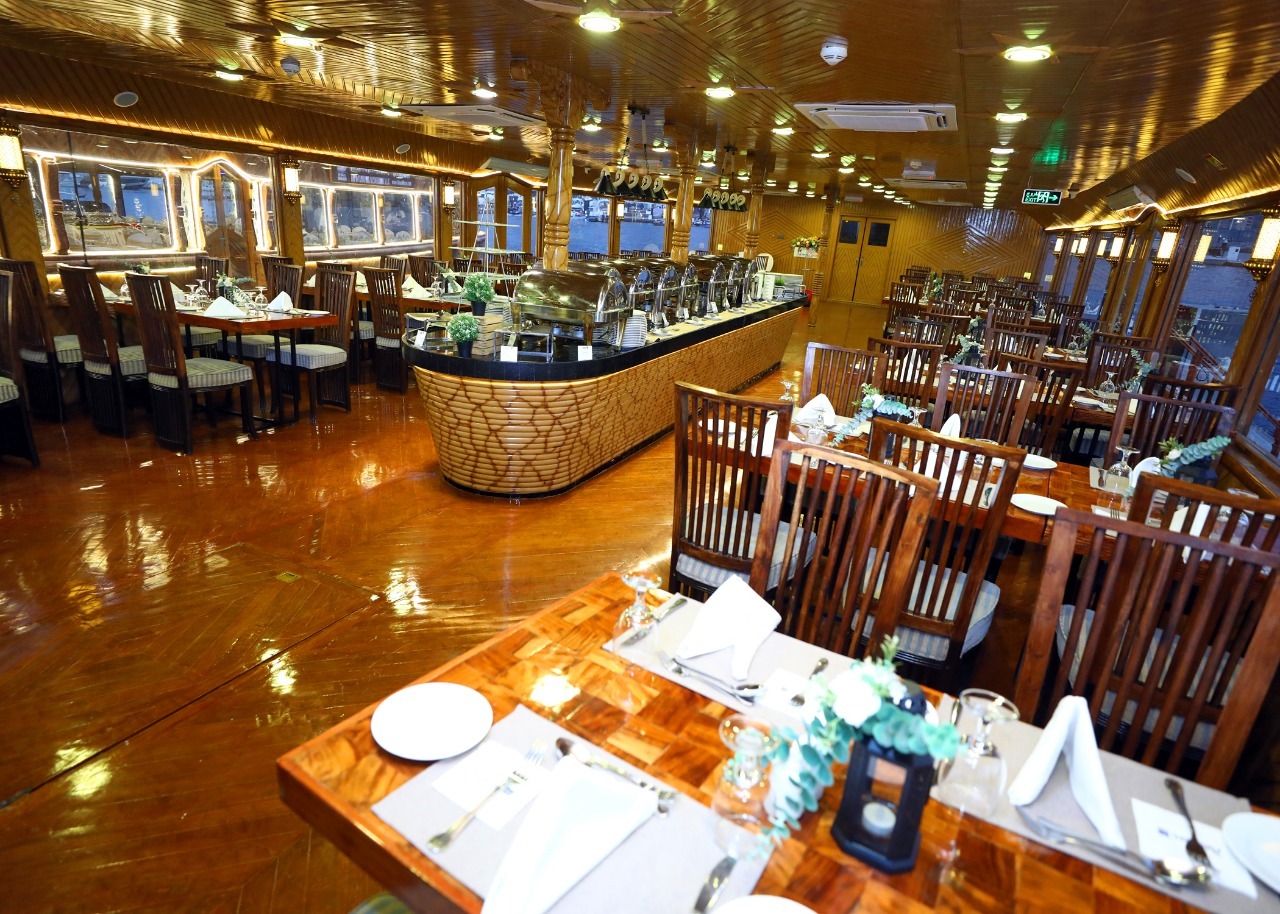
Not all boats on the Dubai marina cruise circuit aim for the same experience. Some emphasize buffet variety and skyline viewing with a lighter performance schedule. Others center the night around dance and live music, then fill the rest with service.
Here is a concise way to narrow choices before you book:
- Ask specifically about live elements: oud, percussion, vocalist, or recorded tracks only. Confirm the headline act: tanoura, Khaliji dance, dabke, or a mix, and the expected duration of each set. Check deck configuration: upper deck shows in calm weather or always lower deck, and whether the stage area is raised for sightlines. Inquire about sound: acoustic setup, wind screens for mics, and volume control policy during dinner service. Clarify audience interaction: whether performers invite guests to dance and how they manage this with families and varied cultures.
If the agent stumbles on these questions, expect a more generic program. Operators who invest in performance usually know their details cold.
Stories from the deck: small moments that reveal a lot
A few vignettes can help you read the night as it unfolds.
One December, a tanoura dancer lost a skirt clasp mid-spin. Rather than halt, he converted the error into choreography, lifting the loosened layer, folding it into a cape, and finishing with a seated spin that brought him to a still point at center stage. The audience applauded the flourish. Backstage, he laughed https://www.google.com/search?q=Dhow+Cruise+Dubai+Marina&ludocid=1285093274805301543&lsig=AB86z5Vxu-IAI09soedq4IVEFF8j and said a clasp fails every few weeks, and you plan for it.
On a quieter May evening, a singer saw a table of Emirati grandparents with children. He opened with a classic Kuwaiti saltana piece, then eased into a Khaliji pop number for the teenagers. The drummer followed with a light saidi groove, swung into a malfuf, and the grandparents nodded in approval. That sequencing reads the room. It balances roots and now.
A windy night in February pushed a dancer’s sleeve into a guest’s plate. The crew kept napkins ready and shifted the second set to the lower deck within minutes. The MC joked gently about Marina gusts, reset the lighting, and the show continued five minutes late. On boats where people recognize wind as a constant, contingency becomes part of the craft.
Food and performance: who gets the spotlight when
Dinner on a Dhow Cruise Dubai is part of the bargain and an active partner in the show. Buffets are fast and forgiving for crowds. Plated service feels smoother but demands more staff. How this interacts with performances matters. Heavy spice and big portion sizes can lull a room. Good operators time the liveliest set after a lighter course and before desserts. They use coffee as an intermission. Arabic coffee, gahwa, with cardamom lifts the palate and attention. Some boats serve it after the final dance, inviting lingering conversation and post-show photos.
If you have dietary needs, tell the crew early and clearly. On larger cruises, chefs can deliver a vegetarian plate without fuss. Vegan and gluten-free options vary. Performers schedule energy output around meal timing. You will see them sip water quietly at the edge of the deck between numbers. That pause is not downtime. It is calibration.
Cameras, lighting, and getting meaningful photos
Marina lighting favors wide shots with reflective water and illuminated towers. Performance photos, especially of tanoura, benefit from shutter speed choices. If you want motion blur, hold a slower shutter or live photo mode to capture the skirts’ light trails. If you want crisp freeze frames, you’ll need a faster setting and a stable stance. On windy decks, brace against a rail. Ask the person behind you before you stand, and avoid blocking the aisle. Performers often hold a still, arms-wide pose for one or two seconds mid-spin. That is your moment. They do it for balance and for you.
Flash fights with stage lighting. It can wash out color and distract. Most boats light warm, with amber and soft white LEDs, which flatter skin tones and fabric color. When the MC dims the house for a light-up tanoura sequence, let the darkness be part of the effect. Your screen’s glow already filters into the scene.
The edge cases: when things don’t go as planned
Not every night flows. Rain, rare but real, can cancel upper-deck performances. If you’re traveling in late winter or early spring, the Marina can surprise with a squall that rolls in fast. Operators will usually move everyone downstairs or keep the boat moored until it passes. When wind makes microphones howl, singers may switch to purely instrumental sets. If you booked specifically for a vocal performance, ask for flexibility or rescheduling. Most companies on the Dubai marina cruise route aim to retain goodwill and will credit you fairly.
Crowd composition also shifts tone. A corporate group can dominate a boat with inside jokes and speeches. Skilled MCs negotiate stage time to keep the show on pace without steamrolling the paying public. If you find yourself on such a night, take the view, pick your moments, and remember that Marina schedules run tight. Another night will be calmer.
What stays with you after the docklines tighten
After two hours on the water, the performances blur with the skyline until a detail surfaces days later. Maybe it is the way a dancer found stillness after long spin, heels together, skirt gradually coming to rest. Maybe it is the hush right before an oud player lands on the tonic after a winding taqasim. For me, it is a drum call that carries grit, a sound that belongs to people who moved goods and lives by boat long before glass towers rose.
A Dubai marina cruise compresses old and new into a manageable evening. The cultural performances are not museum pieces. They are lived forms adapted for a city where the world shows up nightly with camera phones and mixed expectations. If you give them attention and a little respect, they reveal more than choreography. They show a place negotiating its inheritance in real time, on water, under lights.
And that is why the dhow still works. It is a vessel built for journeys that depend on collective rhythm, from crew to cook to dancer to drummer. You step aboard for dinner. You leave with a sense of motion that keeps echoing when your shoes hit the promenade and the Marina resumes its steady, neon heartbeat.
Dhow Cruise Dubai
Al Warsan Building - Al Thanyah First - Barsha Heights - Dubai - United Arab Emirates
Phone: +971 52 440 9525
Website: https://cruisedhowdubai.com/